UMKAY LEARNING LAB
Context changes the answer more than clever wording.
Learn what context changes a ChatGPT answer, what to include, and what private information to leave out.
The answer follows the situation you describe
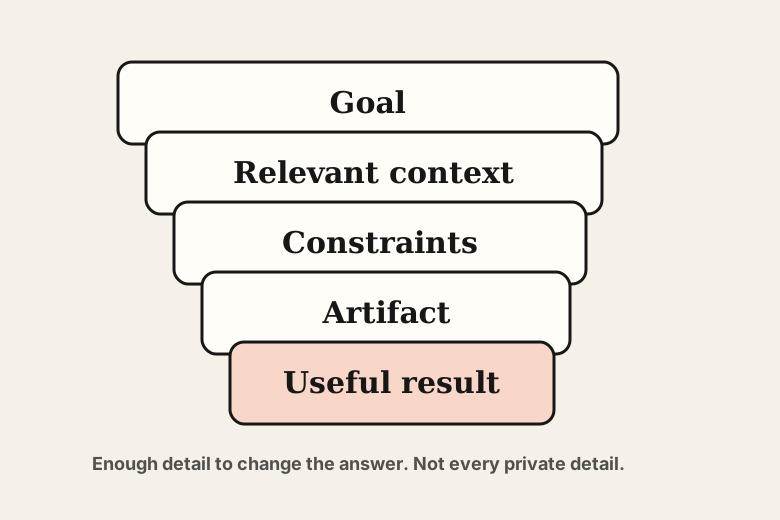
Context is what turns a generic answer into a useful one. Share the goal, audience, limits, relevant history, words that need defining, what you have tried, and what would make the answer wrong. The same request needs a different answer for a customer, a boss, a spouse, a child, a regulator, or a technical reviewer.
A good context sentence might say: 'This is for a customer who is angry about a delayed shipment. I want to acknowledge the problem, avoid blaming the warehouse, offer a realistic next update, and not promise a refund yet.' That is enough to steer the tone, content, and risk.
Share files carefully
Files, screenshots, snippets, and pasted text can help because they reduce guessing. But more detail is not always better. Extra private details add risk and noise. Remove passwords, keys, account numbers, customer names, private health details, confidential work material, and other people's information that the task does not need.
When possible, summarize sensitive material, replace names with roles, substitute representative values, or provide a small excerpt instead of a full document. Useful context is not the same thing as every detail.
Tell it what would be wrong
One of the strongest context moves is naming failure conditions. 'This would be wrong if it assumes I can spend more than $300.' 'This would be wrong if it requires admin rights.' 'This would be wrong if it sounds apologetic.' These statements prevent the model from optimizing for a fantasy version of the task.
After the answer, ask: 'What context would have changed this answer?' The response often exposes missing facts and assumptions you can correct in the next turn.